Introduction & The "Spark"
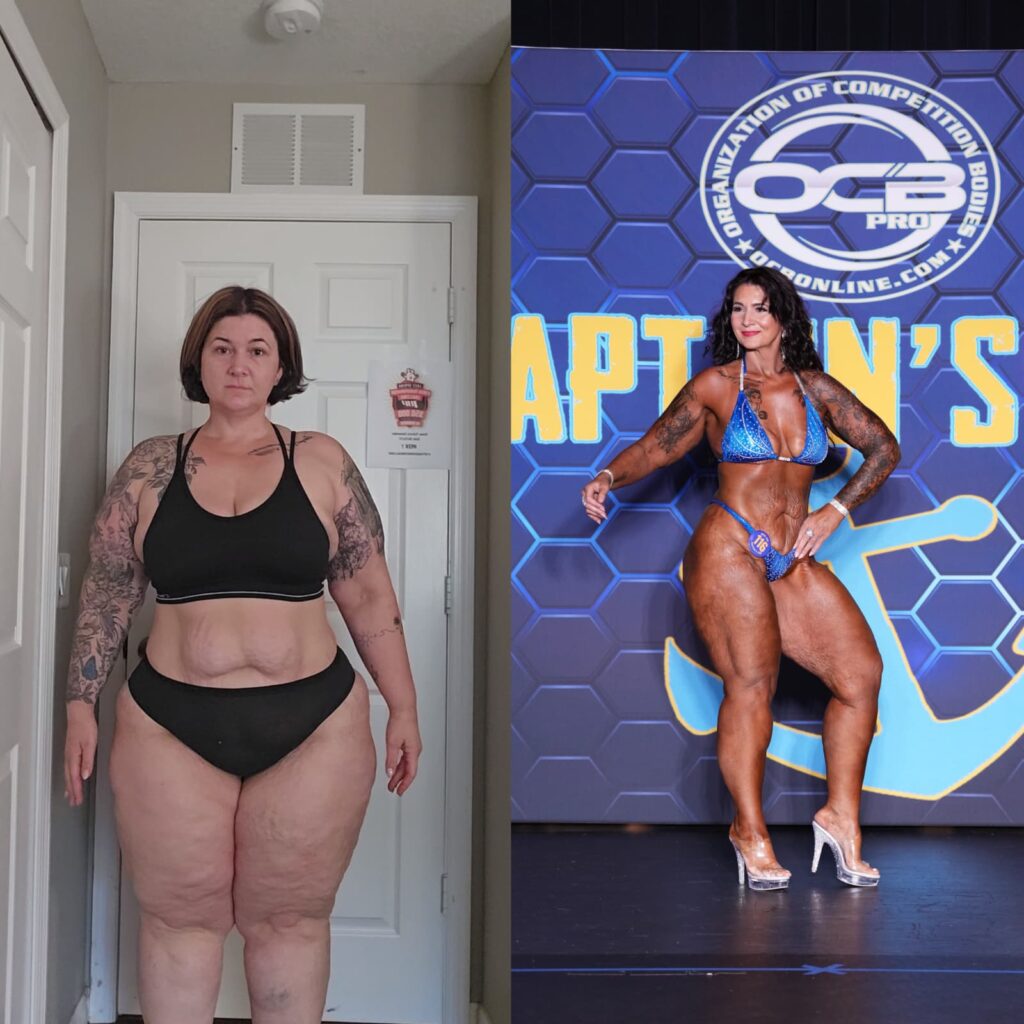
1. Every great journey starts with a single step. What was the exact moment or turning point that made you realize you wanted—and needed—to make a change in your physical health and fitness?
Hi, my name is Patricia. I’m 43 years old, a single mom of three boys, originally from Slovakia, and I moved to the U.S. in 2005.
Back in 2019 and 2020, I lost about 80 pounds. But with the stress of life and other circumstances, I slowly started gaining the weight back. Before I even realized it, I was 295 pounds. I couldn’t understand why. Every time I tried to lose weight, I would lose a few pounds only to gain them right back — plus more. I became deeply depressed. I would cry myself to sleep because I felt like I was completely falling apart.
I went to my doctor searching for answers, but instead I was dismissed. I was told, “You’re just fat. Get surgery.” At that point, I felt defeated and ready to give up.
Then everything changed.
I was finally diagnosed with PCOS, and suddenly so many things started to make sense. Instead of blaming myself, I finally understood what my body had been fighting against.
In 2023, I completed my first marathon, and that was the moment I realized I could do anything I truly set my mind to. From there, I hired a coach, worked harder than ever, and ended up losing 140 pounds.
But this journey became about so much more than weight loss.
It became about proving to myself that I could stay consistent, rebuild my confidence, and take control of my life again. The gym slowly became more than just a place to work out — it became therapy, discipline, stress relief, and a reminder that change is possible when you refuse to give up on yourself.
Looking back now, I’m grateful I took that first step, even when it felt uncomfortable and overwhelming, because that single decision completely changed the direction of my life.
2. When you first decided to commit to this transformation, what were your main goals? Were they purely aesthetic, or were you looking for deeper changes in your health and mindset?
When I first decided to commit to my transformation, my goals were honestly rooted in survival and wanting to feel like myself again.
At the beginning, it felt very physical — I just wanted the weight to come off. I wanted to feel comfortable in my body, to stop feeling exhausted all the time, and to stop looking in the mirror and feeling disappointed. So yes, part of it was aesthetic, because I had reached a point where I didn’t recognize myself anymore.
But very quickly, it became so much deeper than that.
I wasn’t just trying to change how I looked — I was trying to change how I lived. I wanted my health back. I wanted my energy back. I wanted to be present for my kids without constantly feeling drained, frustrated, or stuck in my own body.
And mentally, I was fighting even harder battles. I wanted to stop the cycle of losing and gaining weight, stop the self-doubt, and stop feeling like I was failing no matter how hard I tried. I wanted peace in my mind — not just a smaller body.
Once I was diagnosed with PCOS, everything shifted even more. It stopped being about punishment and started being about understanding my body and working with it instead of against it.
So while it may have started with a desire to lose weight, it grew into something much bigger: rebuilding my confidence, healing my mindset, and learning that I was capable of consistency, discipline, and change — even when life felt overwhelming.
Habits & Discipline
3. Changing your lifestyle usually means breaking old habits. What was the hardest habit to let go of, and how did you replace it with a healthier one?
The hardest habit to let go of was making excuses for myself. I used to tell myself I’d “start Monday,” skip workouts when I was tired, or turn to food for comfort after stressful days. That cycle kept me stuck physically and mentally.
What changed was realizing motivation comes and goes, but discipline is what truly transforms you. Instead of focusing on being perfect, I focused on being consistent. I replaced late-night emotional eating with meal prep and healthier choices, replaced excuses with daily movement, and replaced negative self-talk with small promises to myself that I actually kept.
Over time, those small changes became habits, and those habits became my lifestyle. The biggest transformation wasn’t just my body — it was building a mindset that no longer quits on itself.
4. Consistency is the ultimate key to muscle growth and fat loss. How do you stay motivated and disciplined on those days when you simply don't feel like training or eating clean?
I remind myself that motivation is temporary, but results come from discipline and consistency. There are definitely days when I don’t feel like training or eating clean — I’m human. But I learned that progress is built on the days you show up anyway.
On those hard days, I stop negotiating with myself. I don’t ask, “Do I feel like it?” I ask, “What kind of person do I want to become?” Sometimes the workout isn’t perfect, sometimes it’s just getting through it, but I still show up because consistency matters more than perfection.
I also focus on the bigger picture. My journey is about more than weight loss or muscle growth — it’s about health, confidence, longevity, and proving to myself that I can do hard things. The gym became my therapy, my stress relief, and my reminder that I’m stronger than my excuses.
And honestly, seeing how far I’ve come keeps me going. I never want to go back to the version of myself that felt stuck, unhealthy, and unhappy. That alone is enough motivation to keep pushing forward.
Nutrition & Training
5. Nutrition is often the most challenging part of a fitness journey. How has your relationship with food evolved since you started this process?
At the beginning of my journey, I viewed food as either a reward or a punishment. I would either restrict myself too much or emotionally eat when life got stressful. I thought getting results meant starving myself, cutting out everything I loved, and chasing perfection. But over time, I realized that kind of mindset was never sustainable.
Now, my relationship with food is completely different. I no longer see food as the enemy — I see it as fuel, nourishment, and a form of self-respect. I learned that balance is far more powerful than extremes. I still enjoy foods I love, but I also understand the importance of giving my body what it needs to feel strong, energized, and healthy.
The biggest transformation wasn’t just physical — it was mental. I stopped obsessing over being “perfect” and started focusing on consistency. I learned to listen to my body, understand hunger cues, and make choices that support my goals without guilt attached to them.
Nutrition became less about punishment and more about taking care of myself. And honestly, that mindset shift is what made this lifestyle sustainable for me.
6. In a world full of fitness myths and manipulative marketing, how important was it for you to have structured, honest, and high-intensity guidance for your workouts and diet?
It was extremely important because when you first start your fitness journey, the internet can honestly feel overwhelming. Every day there’s a new “secret,” a new fad diet, a magic supplement, or someone trying to sell a shortcut. One person tells you to cut carbs, another says fast for 20 hours, another claims you can transform your body in 30 days with little effort. It becomes confusing very quickly.
Having structured, honest, and high-intensity guidance changed everything for me because it removed the guesswork. I stopped chasing trends and started focusing on proven fundamentals — consistency, proper nutrition, progressive training, recovery, and discipline. That structure gave me clarity, confidence, and realistic expectations.
I also learned that real transformation is not glamorous. It’s repetitive. It’s showing up on the days you’re tired, staying disciplined when motivation disappears, and understanding that results take time. Honest guidance helped me stop comparing myself to unrealistic social media standards and instead focus on building a healthier, stronger version of myself step by step.
The high-intensity side of training also taught me mental resilience. It pushed me beyond what I thought I was capable of, not just physically but mentally. Every difficult workout became proof that I could do hard things in other areas of life too.
Most importantly, structured guidance helped me build a sustainable lifestyle instead of relying on temporary fixes. That’s what truly changed my body, mindset, and overall relationship with fitness.
Overcoming Obstacles & Mindset
7. We all face roadblocks along the way. What was the biggest obstacle you encountered during your transformation, and how did you overcome it?
What I went through during my first prep wasn’t just physical training — it was life testing me on every level at the same time. I was dealing with emotional shock from a breakup that came out of nowhere, after being ghosted for days. On top of that, my home situation was falling apart literally — a leaking roof, a collapsed ceiling in my son’s room, and the stress of a heavy hurricane season. It felt like everything that could go wrong was happening at once.
And honestly, I had every reason to stop. Every reason to say “this is too much” and walk away from my goals. But something shifted in me during that time. Instead of breaking me, those obstacles sharpened my focus. I stopped seeing them as excuses and started using them as fuel.
Training became my outlet. Nutrition became my structure. Discipline became my way of staying grounded when everything around me felt unstable. I didn’t spiral — I locked in even more. I chose to finish what I started, not because it was easy, but because it was the one thing I could still control when everything else felt out of control.
That experience taught me that resilience isn’t built when life is perfect — it’s built when everything is falling apart and you still show up anyway.
8. A physical transformation always brings a mental shift. How has your confidence and your view of personal responsibility changed since you took control of your body?
My physical transformation didn’t just change my body — it completely reshaped how I see myself and how I handle life in general. Before, my confidence was inconsistent. It depended too much on circumstances, emotions, or external validation. If things were going well, I felt good. If life got hard, I would question everything about myself.
Taking control of my body changed that pattern. Once I committed to something as demanding as training, nutrition, and consistency, I started to see myself differently. I proved to myself that I can follow through, even when it’s uncomfortable, inconvenient, or emotionally difficult. That builds a different kind of confidence — one that isn’t based on mood, but on evidence.
My view of personal responsibility also shifted. I stopped blaming circumstances for everything and started focusing on what I can control. My actions, my habits, my discipline, my mindset — those became my responsibility. And that mindset started spilling into every area of my life, not just fitness.
Now I don’t see challenges as things happening to me, but things I respond to. That shift created a sense of ownership over my life that I never had before. And with that came a deeper, quieter confidence — the kind that doesn’t need to be proven to anyone, because I’ve already proven it to myself.
Results & Advice
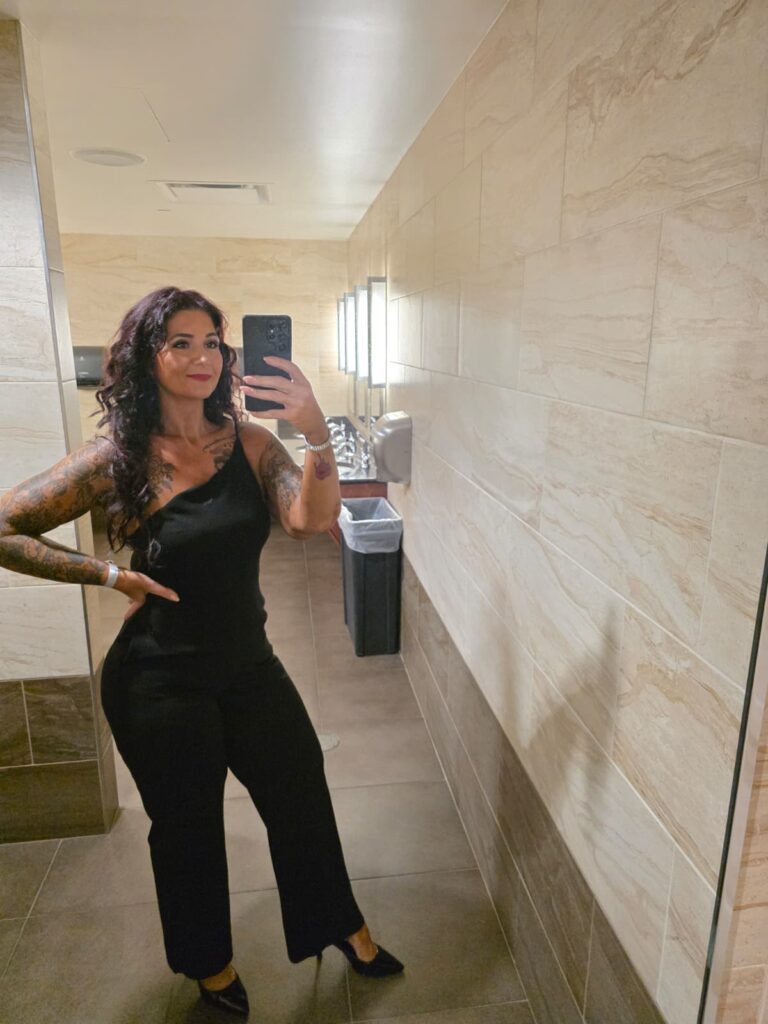
9. Looking at yourself in the mirror today compared to when you started, what is the achievement—physical or mental—that you are most proud of?
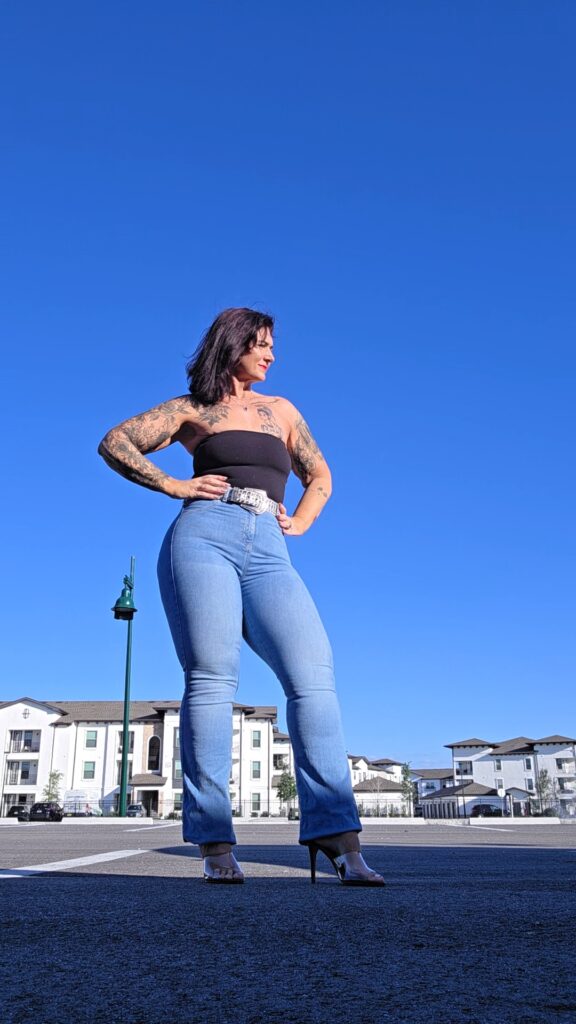
Looking at myself in the mirror now, I finally see the version of me I used to hope for — not perfect, but strong, resilient, and healed in ways I didn’t even realize were possible back then. It’s not just about the physical change, it’s about who I became through the process.
I’m proud of every step I took, every setback I pushed through, every tear no one saw, and every single pound I lost along the way. Nothing about this journey was handed to me. I didn’t have someone holding my hand or carrying me through it — I had to figure it out, stay consistent, and keep going even when it was hard.
And because of that, the pride hits differently. It’s not loud or arrogant — it’s deep. It’s knowing I didn’t quit on myself when I easily could have. I built this version of me from discipline, pain, and persistence. And for the first time, I can honestly say: I’m proud of myself.
There are many people reading your story on Olarte Coaching who want to change but are afraid to start.
10. What is the single piece of advice you would give someone to help them take that first step today?
The single most important advice I would give is this: stop waiting to feel ready.
Most people delay their first step because they think they need more motivation, more confidence, more time, or the “perfect” plan. But the truth is, none of that shows up first. Action does.
Start small, start imperfect, but start today. Go for the walk. Do the workout. Prep the meal. Drink the water. Whatever your version of the first step is — take it without overthinking it. You don’t need to transform your entire life in one day, you just need to prove to yourself that you can begin.
Because once you start, momentum takes over. And that first uncomfortable step is always the hardest part — but it’s also the one that changes everything.
Let me add my favorite qoute. "Champions change the plan not the goal!"